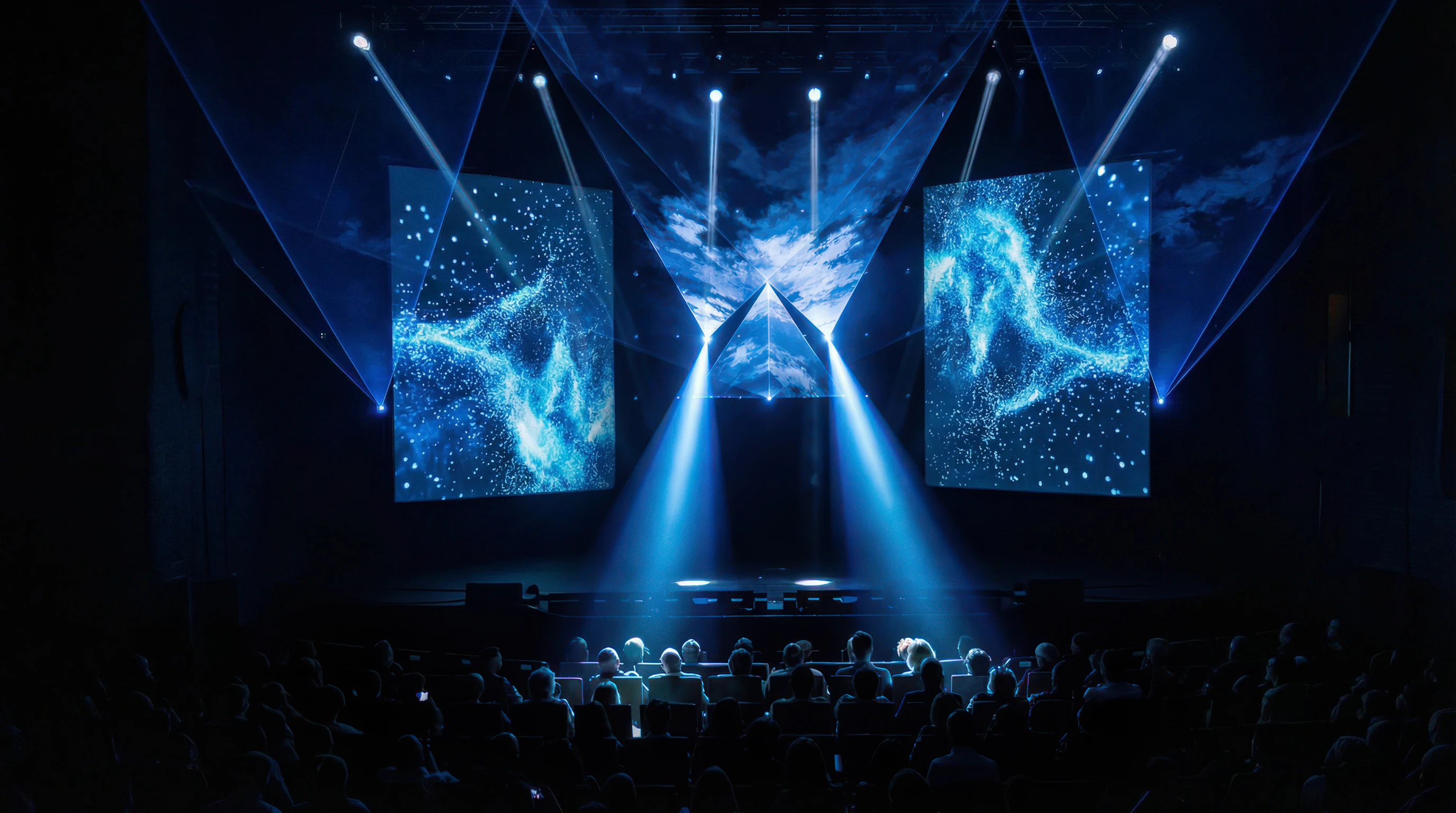
A laser show as opening
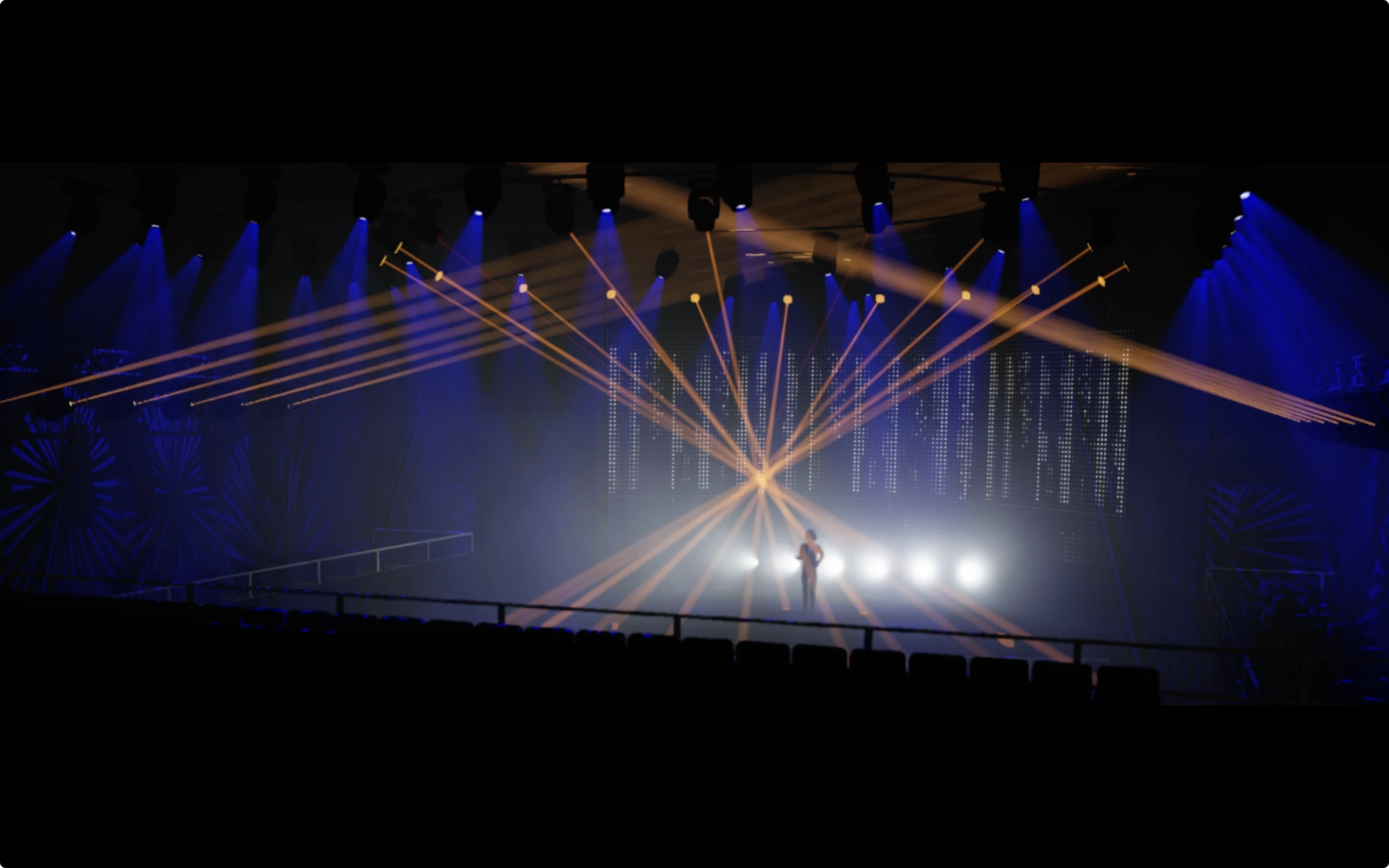
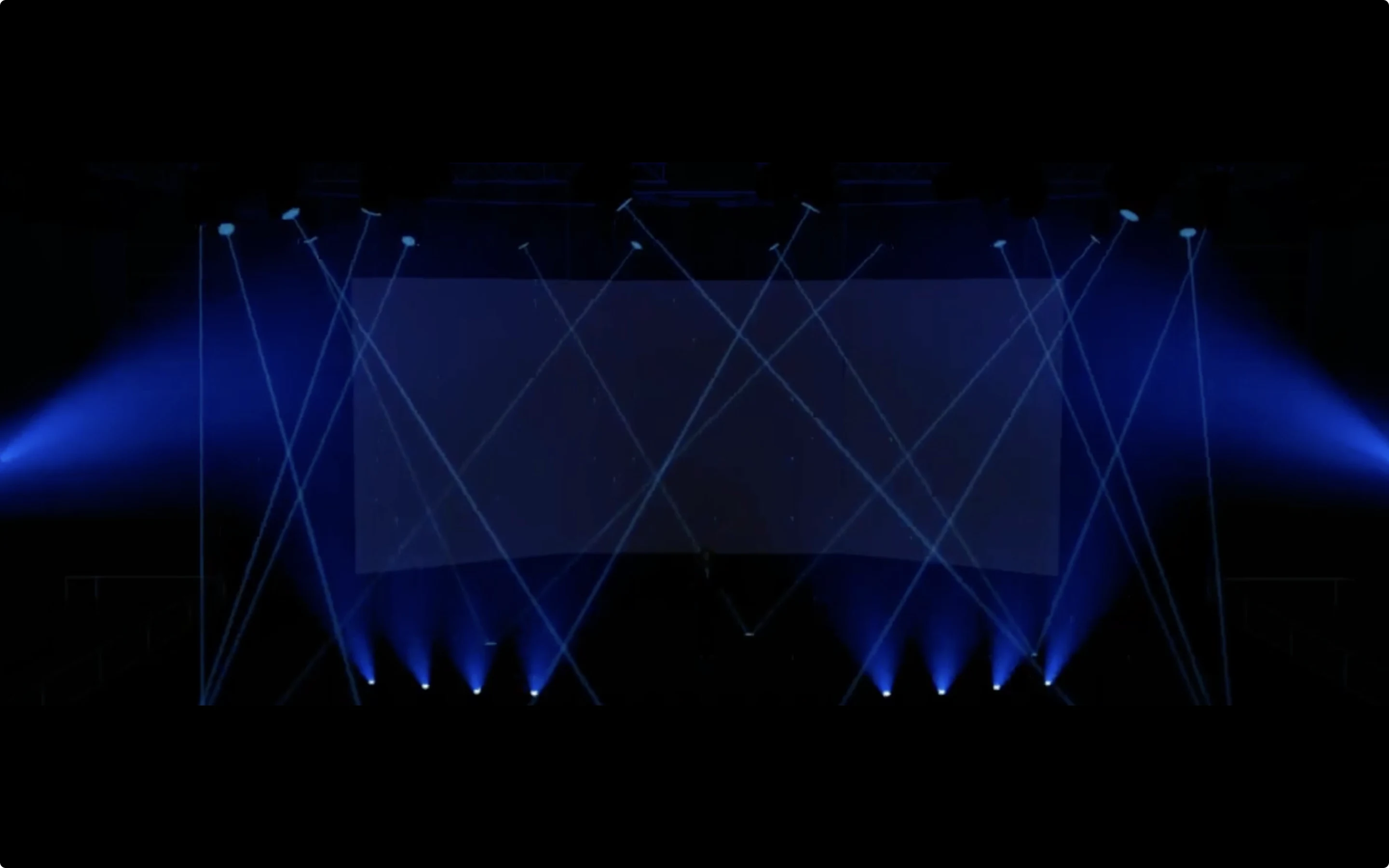
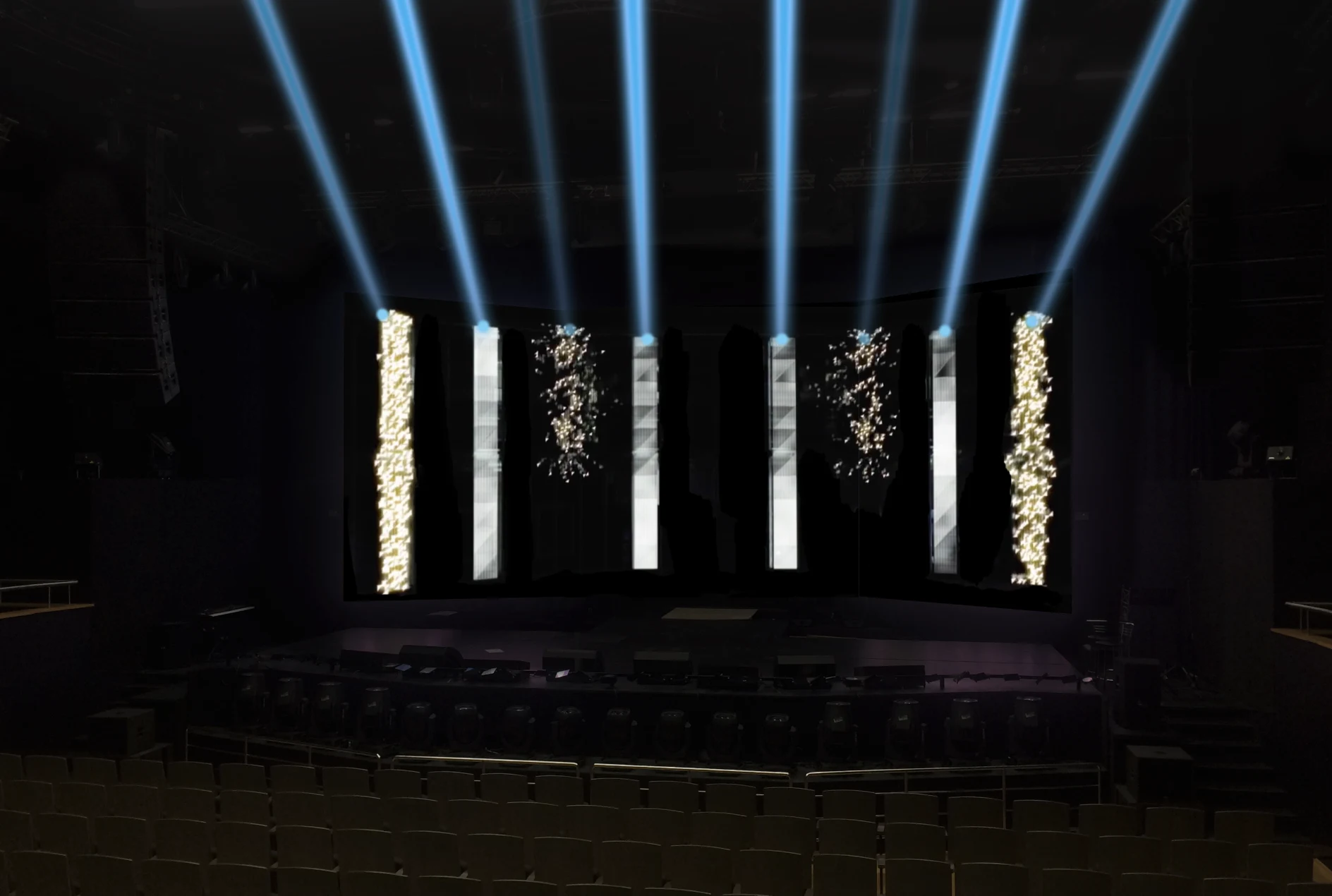
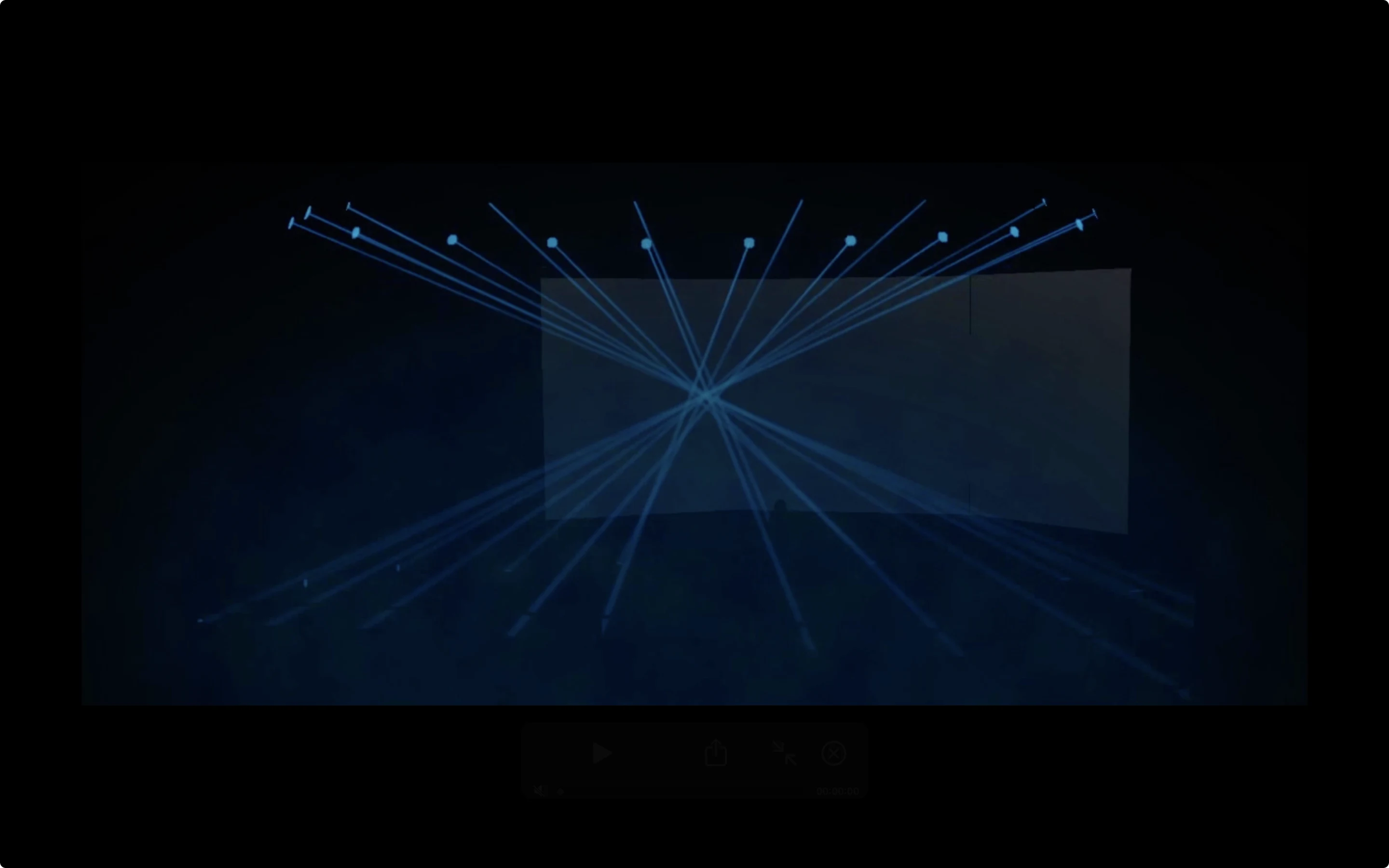
Developing the light-show script — from dramaturgy to technical brief. 100 robotic lighting fixtures synchronized into one spectacle, read as a symbol of a ten-year journey: growth, movement, light.
10th anniversary of the award — an opening laser show and a multimedia ceremony.
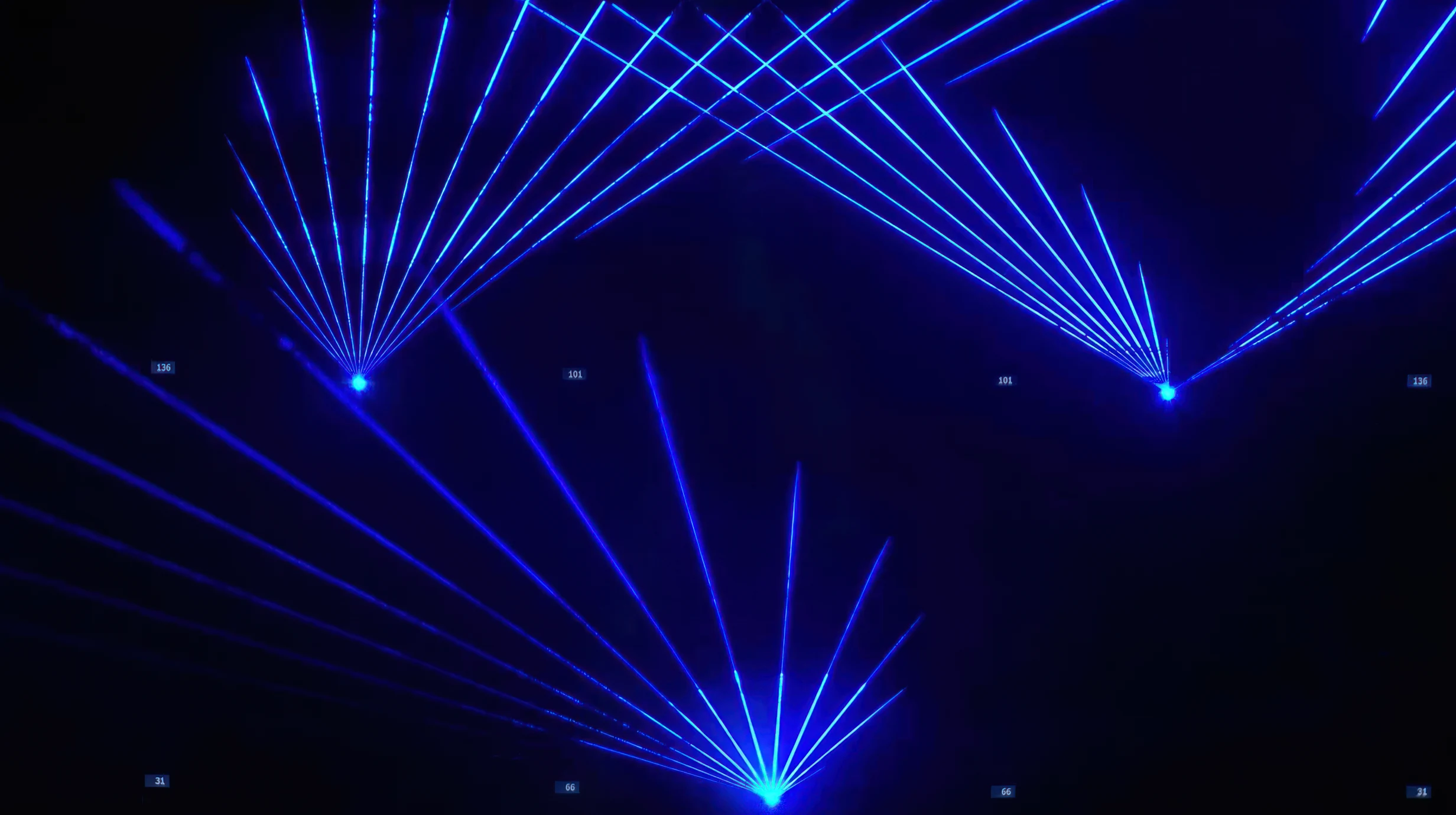
A laser show as a symbol of the journey — ten years of an award that brought science and culture together.
The Prosvetitel Award for the best popular science book in Russian was established in 2008 by VimpelCom founder Dmitry Zimin and the Dynasty Foundation for Non-Profit Programs.
The award’s goal is to draw readers’ attention to the popular science genre, support authors, and help develop the market for educational nonfiction in Russia.
The anniversary ceremony had three tasks: a powerful laser show as a striking opening and a symbol of the ten-year journey; stylish introductions of jury members and finalists through short stylized videos; archive montage of key moments from the past 10 years.
A powerful laser show as a striking opening — and a symbol of a ten-year journey.
Developing the light-show script — from dramaturgy to technical brief. 100 robotic lighting fixtures synchronized into one spectacle, read as a symbol of a ten-year journey: growth, movement, light.
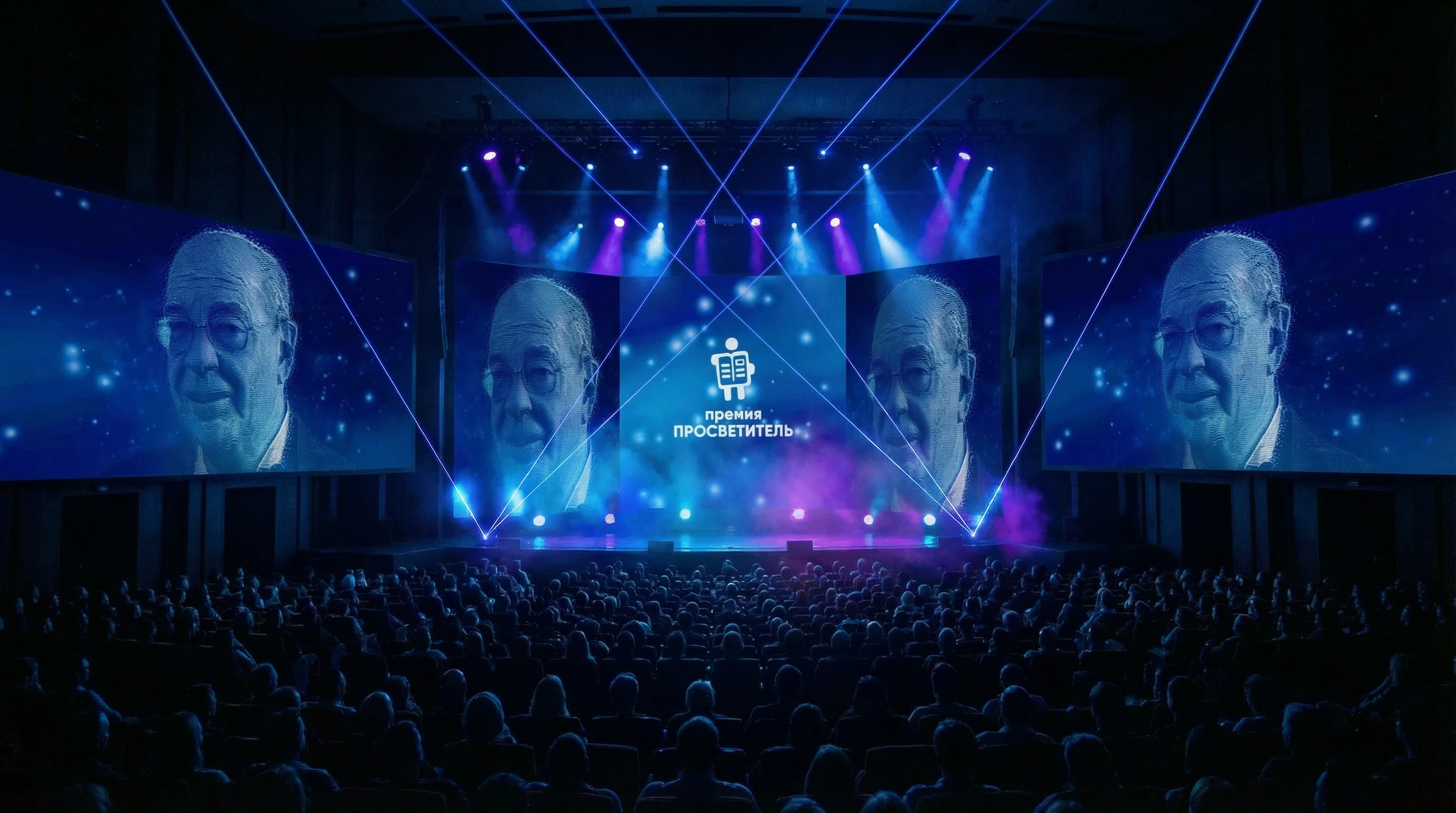
Short stylized video introductions for every jury member and finalist, developed in CG and built within the ceremony’s unified visual logic. The task: convey each participant’s status and individuality without breaking the overall rhythm of the show.
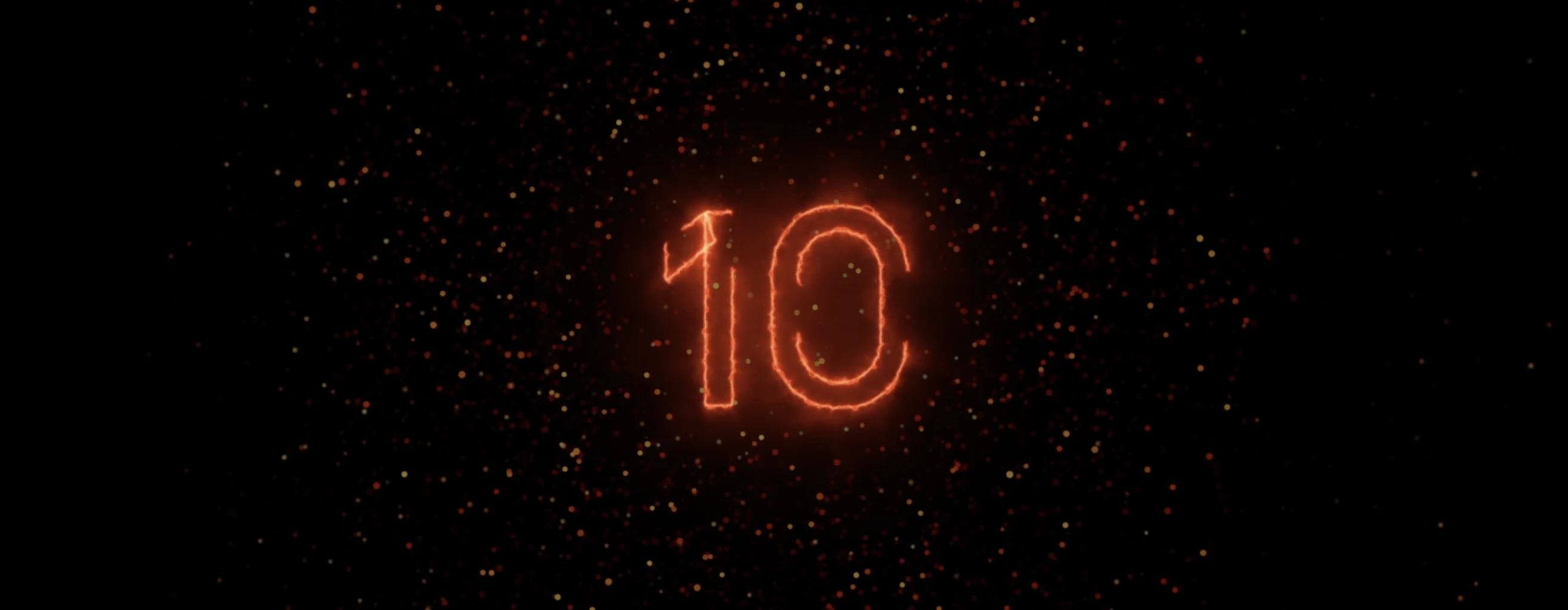
Key moments from 10 years of the award were edited into a single narrative. Working with archive materials: selection, resizing, color correction, and integration into the CG environment. The emotional peak of the show.
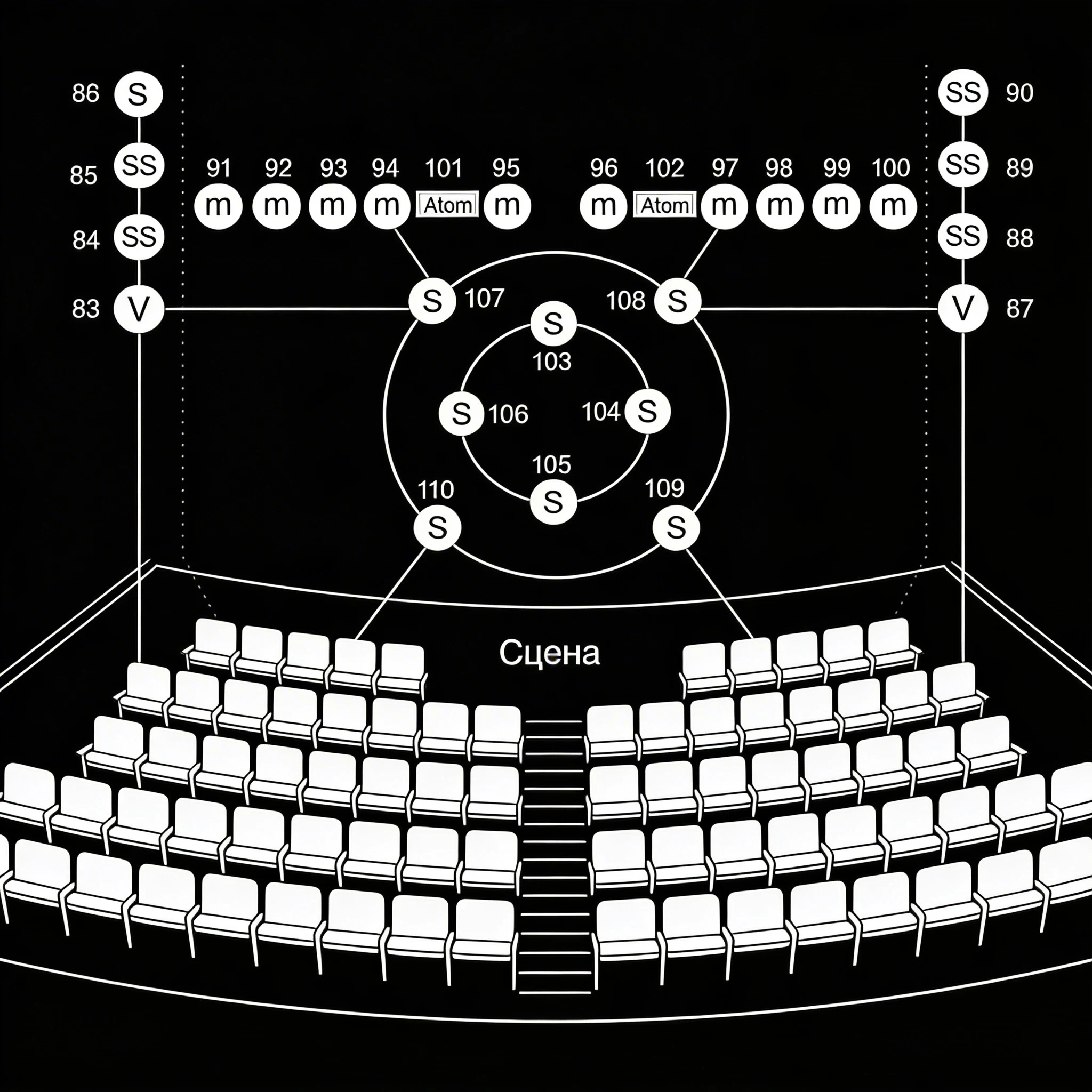
Programming lighting fixtures and controlling the show live during the ceremony. TouchDesigner for generative control, Cinema 4D for previsualization and CG content, 100 Head&Beams in the hall.
Developing the dramaturgy and technical script for the opening show. Timing, scene structure, escalation logic — all of this was defined during pre-production. The visual concept was aligned with the ceremony organizers.
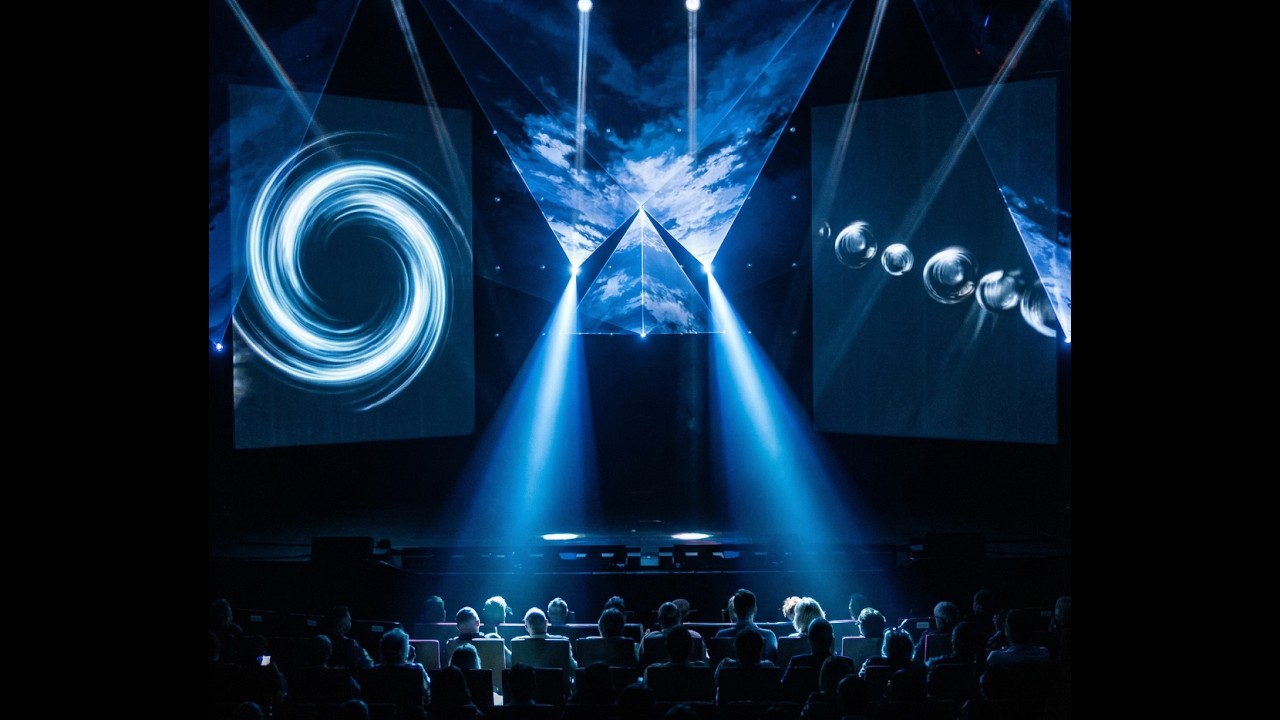
Production of CG materials for screens and projections: stylized portraits of participants, background animations, and archive inserts. Cinema 4D was the core environment for rendering, compositing, and final assembly.
Writing lighting programs for 100 robotic lighting fixtures. Synchronization with music and CG content. Rehearsal testing and final adjustments based on run-throughs.
Realtime show control during the ceremony: launching scenes, monitoring synchronization, and solving technical issues on the spot. TouchDesigner served as the control console for the entire light and media flow.